Healing at the Intersections
Examining Mindfulness, Coping Self-Efficacy, and Posttraumatic Growth Among Black LGBTQ+ Adults
What becomes possible when we look beyond trauma itself and begin to understand the people, identities, lived experiences, and forms of resilience that exist alongside it?
Trauma-informed care has helped shift the conversation from What is wrong with you? to What happened to you? That shift matters. But I believe there is more to understand, particularly when we consider the experiences of people navigating multiple forms of marginalization.
For Black LGBTQ+ and Same-Gender Loving (SGL) adults, trauma and recovery do not exist separately from identity. Experiences of racism, LGBTQ+-based discrimination, rejection, exclusion, and other forms of adversity can overlap and interact in ways that shape how people experience the world, understand themselves, access support, and navigate healing.
Yet the models we use to understand trauma and recovery do not always fully capture these intersecting realities.
My research explores this gap. I am interested in how we can expand our understanding of trauma recovery to better account for the nuances of identity, discrimination, and lived experience while examining psychological factors that may support post-traumatic growth.
Because the resilience is already there. The healing is already happening.
Meet the Researcher
The person behind the research
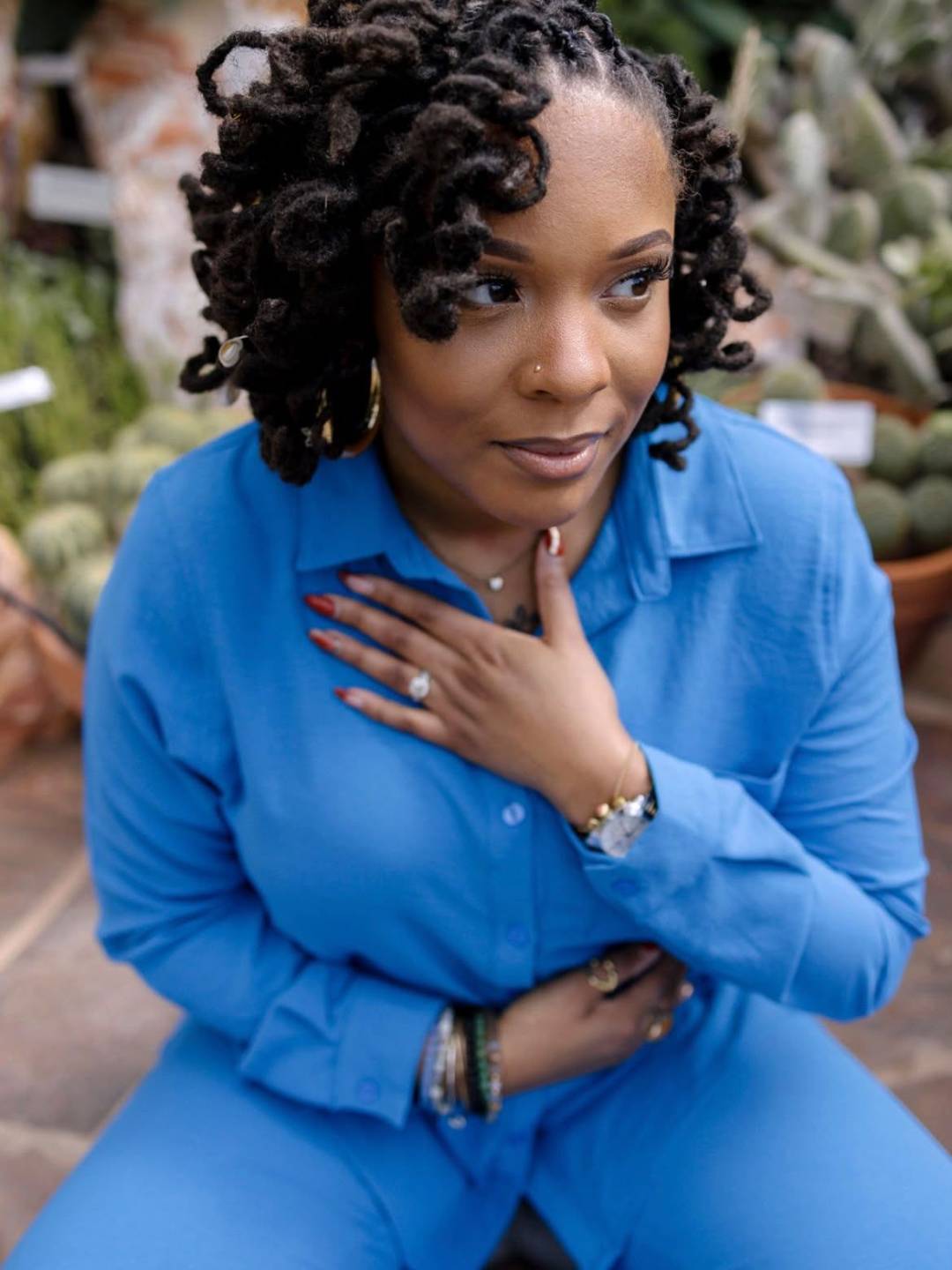
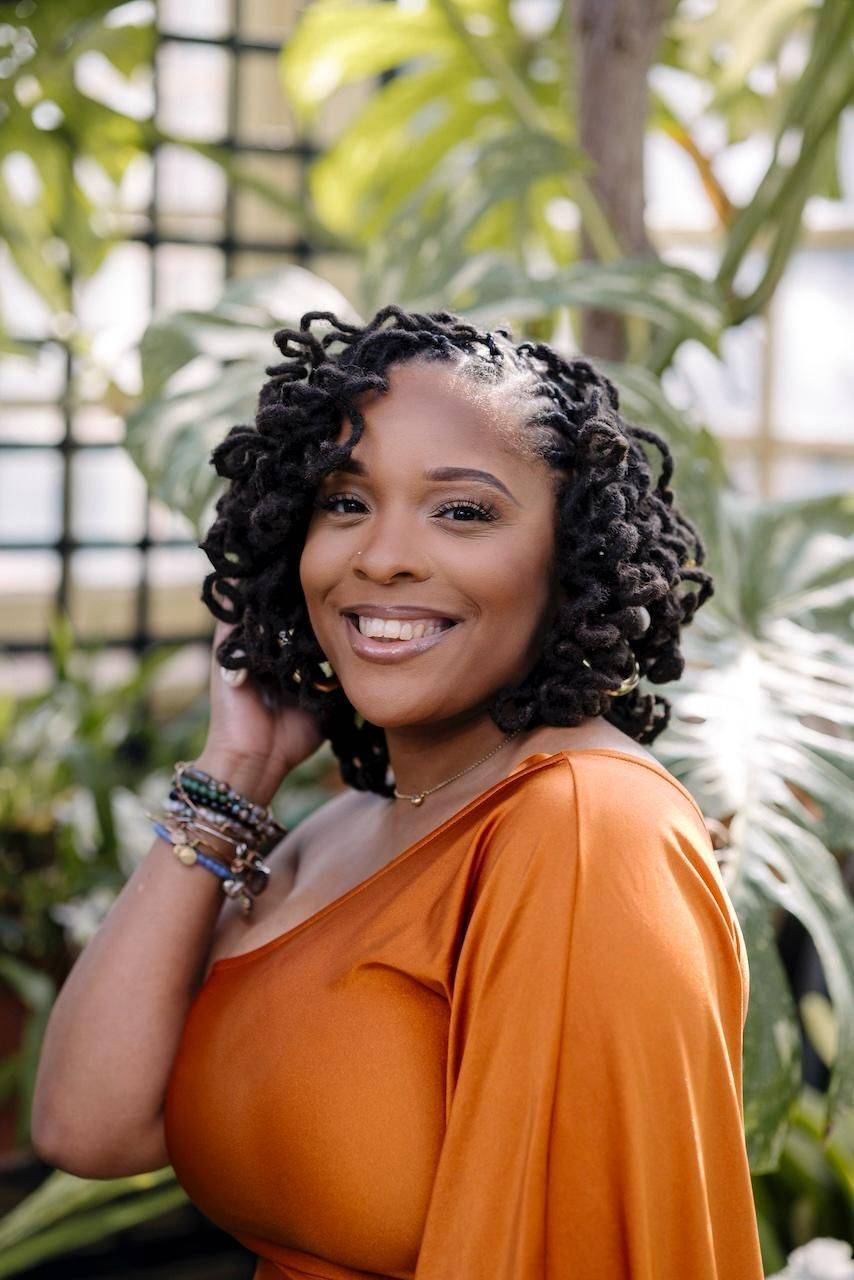
I am Christina Simmons, LCSW-C, LICSW, SEP. A Black, queer integrative mental health practitioner, trauma specialist, and doctoral researcher in mind-body medicine at Saybrook University.
My professional journey has been shaped by years of working alongside individuals and communities navigating trauma, systemic inequities, relational wounds, and the many ways our experiences become embodied. My background spans clinical mental health, child welfare, domestic violence advocacy, and integrative healing.
Across these experiences, I have continued to think about the relationship between who we are, what we experience, and how we make sense of our lives.
I have a particular interest in the ways identity and social context influence our experiences of trauma, as well as the ways people continue to find connection, meaning, strength, and possibilities for healing within circumstances that have not always made those things easy.
As a clinician, I recognize that people bring far more into the healing space than their symptoms or their histories of trauma. They bring their identities, relationships, cultural knowledge, spiritual beliefs, community connections, and ways of surviving and navigating the world. They also bring the impact of living in systems that may not consistently recognize, affirm, or protect them.
As a researcher, I want to examine these complexities with the care, curiosity, and scientific rigor they deserve.
I do not believe we can fully understand healing by looking only at what has harmed people. We must also be willing to examine what supports them, what helps them navigate adversity, and what may allow new possibilities to emerge.
This belief informs my doctoral research and my broader commitment to integrative, culturally responsive, and intersectionally informed approaches to healing.
My Why: MAKING ROOM FOR THE FULL COMPLEXITY OF OUR LIVED EXPERIENCES
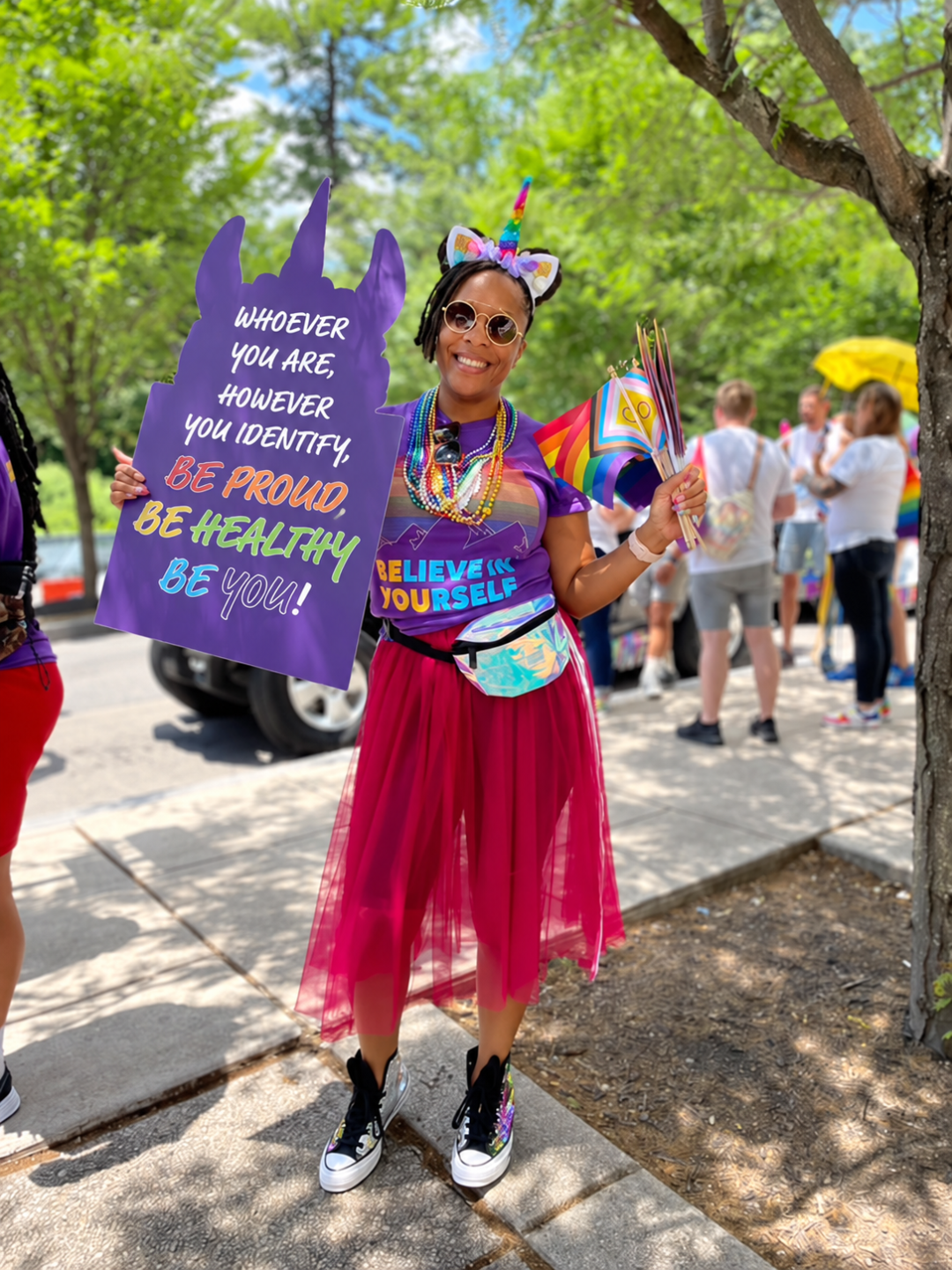
I believe we need trauma-informed models that do more than center trauma. We must also account for how multiple forms of marginalization intersect, shaping how people experience adversity, navigate healing, and make meaning of their lives.
For Black LGBTQ+ and SGL individuals, racism, identity-based discrimination, and LGBTQ+-based discrimination can overlap in ways that existing models may not fully capture. I want to help expand our understanding of healing to reflect these nuances—not only to better understand the impact of trauma, but to explore what supports positive change.
The resilience exists. The healing is happening. So, how do we better understand and support it?
This question is at the heart of my research. My hope is to contribute to a more expansive understanding of healing—one that acknowledges the harm people experience while making room for the growth, connection, and transformation that can coexist with it.
Your lived experience matters, your responses are anonymous. By participating in this research, you can help bring greater attention to experiences that deserve to be understood and inform future conversations about trauma recovery and healing.
About the Research
Understanding post-traumatic growth among Black LGBTQ+ adults
My doctoral dissertation research examines the relationships among mindfulness, coping self-efficacy, and post-traumatic growth among Black LGBTQ+ adults.
Research examining trauma and recovery has much to contribute, but we must continue asking whose experiences are represented in that research. We must also explore how well our frameworks account for the realities of people navigating multiple forms of marginalization.
An intersectional perspective recognizes that aspects of identity can interact in ways that shape experiences of adversity, access to resources, and opportunities for well-being. These experiences are not identical for everyone, even among people who share identities.
My study focuses on three psychological constructs that may help us better understand post-traumatic growth.
Mindfulness
Mindfulness involves bringing attention to present-moment experiences with awareness and a degree of openness. Mindfulness can take many forms, including meditation, mindful movement, journaling, breathwork, body scans, mindful walking, and mindful eating.
Coping self-efficacy
Coping self-efficacy refers to a person's belief in their ability to manage challenges and respond to difficult circumstances. These beliefs may be relevant to how people approach stressors, draw upon coping strategies, and navigate adversity. My research examines whether coping self-efficacy helps explain differences in the relationship between mindfulness and post-traumatic growth.
Post-traumatic growth
Post-traumatic growth refers to positive psychological changes that some people report experiencing through their struggle with highly challenging or traumatic life circumstances.
These changes may involve greater appreciation for life, closer relationships, a stronger sense of personal strength, new possibilities, or changes in spiritual and existential perspectives.
What is the study examining?
This quantitative, cross-sectional correlational study examines whether mindfulness is associated with post-traumatic growth and whether coping self-efficacy moderates that relationship among Black LGBTQ+ adults.
In practical terms, I am examining whether the relationship between mindfulness and post-traumatic growth differs depending on a person's level of coping self-efficacy.
The goal is not to ask marginalized communities to become more resilient to harm. It is to better understand and support the healing and growth that are already possible, while continuing to address the conditions that cause harm.
Participate in the Research
Your experiences matter. Your responses are anonymous.
I am inviting Black LGBTQ+ and SGL adults to consider participating in my doctoral dissertation research exploring mindfulness, coping self-efficacy, and post-traumatic growth.
The experiences of Black LGBTQ+ and SGL communities deserve meaningful representation in trauma recovery research. Including these experiences can help expand the evidence base and inform future questions about trauma recovery, psychological well-being, and positive change.
Who may be eligible?
You may be eligible if you meet all of the following criteria:
Who may not be eligible?
To help protect participant well-being and support appropriate participation, individuals may not be eligible if they:
If you are unsure whether you meet these criteria, please review the official study information before proceeding.
Interested in participating?
If you believe you may be eligible and would like to learn more, use the link below to join the study.
Participation is voluntary. Come as you are, answer anonymously.
Research Ethics and Contact Information
This study has received Institutional Review Board (IRB) approval from Saybrook University.
Institution: Saybrook University
IRB Approval Number: 2308
Doctoral Researcher: Christina Simmons, LCSW-C, LICSW, SEP
Email: csimmons2@saybrook.edu
Dissertation Chair: Greg Hickman, PhD
For questions about the research, please contact me at csimmons2@saybrook.edu .
For questions about your rights as a research participant or concerns about the study, please use the participant-rights contact information provided in the approved informed consent materials.
Research can help us ask better questions
It can help us examine what we may have overlooked, investigate relationships that deserve greater attention, and build a more nuanced understanding of the experiences and psychological processes associated with healing. For me, this work is about making room for more of the story.
Because the people we study deserve more than to be represented by their trauma. They deserve to have the full complexity of their experiences taken seriously.
Thank you for being here and for taking the time to learn about this research.
With care and purpose,
Doctoral Researcher in Mind-Body Medicine
Saybrook University
Founder, Revitalizing Inner Self Essence® (RISE)
Healing is a sacred, individualized journey. Our understanding of it should honor the people who live it.